Health and Safety Policy for Gardening Gardeners
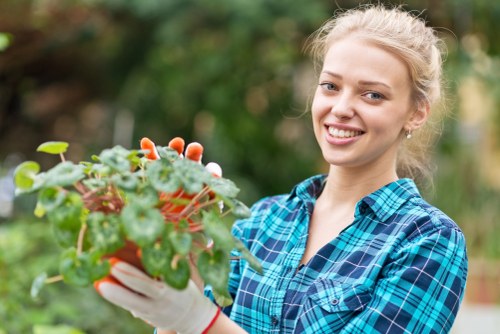 This Health and Safety policy sets out the responsibilities, standards and safe working expectations for all staff involved in garden maintenance, landscaping and horticultural work. It applies to every member of the gardening teams, whether referred to as gardeners, grounds maintenance operatives, horticultural staff or garden care workers. The aim is to promote a culture where safety is integral to everyday tasks, equipment use and site behaviour. All workers must familiarise themselves with the requirements, cooperate with managers and supervisors, and contribute to a safer working environment.
The policy covers risk identification, prevention, training and incident management. It emphasises that safety is a shared commitment: managers provide resources and leadership, while garden operatives and seasonal workers accept practical duties and report concerns. Personal protective equipment (PPE) and safe systems of work are non-negotiable for pruning, machinery operation, chemical handling and manual handling tasks. Regular communication and inspections underpin effective hazard control and continuous improvement.
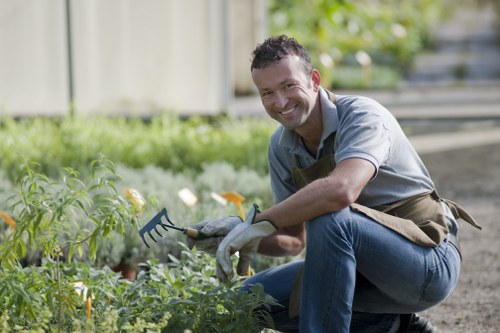 Risk assessments are required for all routine and non-routine activities carried out by gardening staff. These assessments should identify potential hazards such as moving vehicles, sharp tools, powered equipment, hazardous substances, uneven surfaces and weather-related risks. Control measures must be proportionate and include elimination where possible, substitution, engineering controls, administrative controls and PPE. Managers should ensure that risk assessments are accessible and reviewed whenever work changes or following an incident.
Safe work with tools and machinery is central to this policy. Only competent, trained gardeners and groundskeepers may operate powered mowers, chainsaws, strimmers and small tractors. Pre-use checks must be performed and documented: fuel and oil levels, guards, cutting blades and safety switches. Where mechanical shielding or fixed barriers are appropriate, these should be in place. When working with petrol-powered equipment, refuelling must be done with the engine off, in ventilated areas, and away from ignition sources.
 Chemical safety for landscape and garden maintenance includes correct storage, labelling and use of pesticides, fertilisers and fertilising products. Only approved substances should be used, in accordance with product instructions and training. Appropriate PPE — gloves, eye protection and respiratory protection when required — must be provided and worn. Spill kits and material safety information must be available, and exposure incidents reported promptly. Disposal of containers and unused product must follow best environmental and safety practice.
Manual handling is a frequent activity in garden work: lifting soil bags, moving plant pots and wheelbarrows are typical tasks that can cause musculoskeletal injuries. Teams should use mechanical aids where feasible, apply correct lifting techniques, and share heavy or awkward loads. Supervision should monitor repetitive tasks and rotate duties to reduce strain on individual workers. Ergonomic considerations for tool design and work heights can reduce long-term injury risk.
Working at height and arboriculture tasks require specialist planning, equipment and competent personnel. Harnesses, ladders and elevated platforms must be inspected and used in line with manufacturer guidance and industry practice. When undertaking tree surgery, a written plan and exclusion zone for bystanders are essential. Clear communication between spotters and operators reduces the likelihood of dropped-object incidents and collisions with foot traffic.
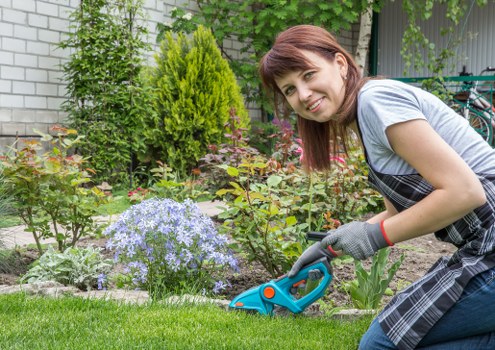 Lone working and remote site duties are common in grounds maintenance. Where staff are required to work alone, measures should include check-in systems, mobile communication devices, risk-based scheduling and training in emergency response. Lone workers must be provided with information on nearest medical facilities and instructed on when to suspend work for safety reasons such as severe weather or unstable terrain.
 Training, supervision and competence development are fundamental to maintaining safe gardening operations. Induction training should cover core safety topics, while role-specific instruction addresses machinery, chemicals and specialist techniques. Refresher training maintains awareness and skills. Supervisors are responsible for monitoring performance, mentoring new staff and ensuring that everyone follows safe operating procedures. Records of training and competence checks should be maintained and reviewed periodically.
Emergency procedures and incident reporting
All gardening personnel must be familiar with emergency arrangements, including first aid provisions, fire procedures and how to report incidents. Prompt reporting enables corrective action, prevents recurrence and supports injured workers. Where appropriate, near-miss reporting should be encouraged to capture learning opportunities before an accident occurs. Investigations should focus on root causes and practical remedies rather than blame.
Monitoring, review and continuous improvement
The health and safety policy for gardeners is a living document. Regular site inspections, audits and consultations with staff help evaluate effectiveness. Performance indicators such as incident frequency, severity and completion of required checks should be monitored. Management commits to allocating resources to mitigate risks, update equipment and provide training to achieve safer outcomes for garden teams.
By adopting these measures, gardening professionals, grounds maintenance teams and horticultural workers can reduce accidents, protect health and maintain high standards of workmanship. Everyone involved in garden care has a role to play: follow procedures, report hazards, wear appropriate PPE and engage in safety conversations. Together, the gardening workforce can create greener, safer outdoor spaces for staff and the public alike.
