Tree work permissions what UK homeowners need to know
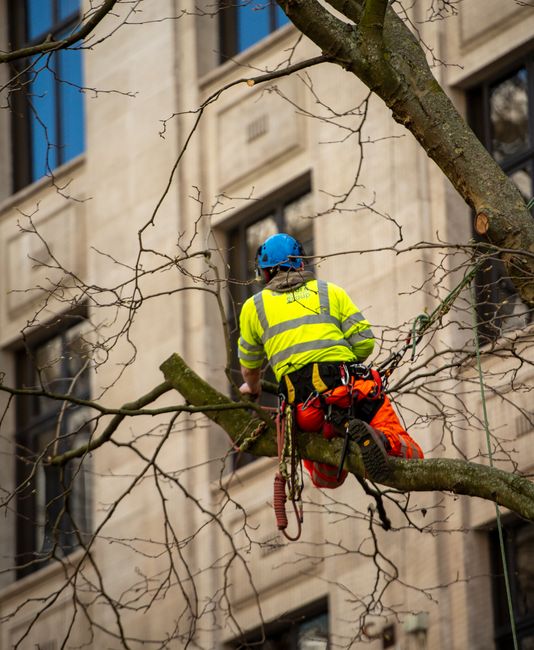
If you are planning to prune, reduce, pollard, or remove a tree, the paperwork can matter just as much as the saw. Tree work permissions what UK homeowners need to know is not only about avoiding a fine; it is about making sure the work is lawful, safe, and properly thought through before anyone starts climbing. A tree that looks like "just in the way" may actually be protected by local controls, conservation area rules, a planning condition, or even a Tree Preservation Order. Miss that bit, and a simple job can turn into a very expensive headache.
In practice, most homeowners only want a clear answer: Can I do this work, do I need permission, and who should I speak to first? This guide breaks it down in plain English, with the kind of detail that helps you make the right call before the ladders go up and the branches start coming down.
Why tree work permissions matter
Tree work is one of those jobs that looks straightforward from the garden gate but can be wrapped up in local controls, neighbour concerns, and safety issues. If a tree is protected, the law generally expects you to ask first and act later. That applies whether you want to remove it entirely, thin the crown, shorten overhanging limbs, or simply tidy it up after a storm.
Why does this matter so much? Because trees are often protected for a reason. They may support wildlife, shape the local landscape, or form part of a planning decision made years ago. Even if the tree sits fully inside your boundary, you do not automatically have free rein. A lot of homeowners assume ownership equals unrestricted control. It does not. Not quite.
There is also a practical side. Permission checks help you avoid wasted time. No one wants to book a tree surgeon, hire a chipper, and then discover that the council needs prior consent or that the work has to wait. If you are also clearing the rest of the garden afterwards, it can make sense to coordinate the job with garden clearance or ongoing garden maintenance so the site is left tidy rather than half-finished and awkward.
Expert summary: before any major tree work, identify the tree, check whether it is protected, confirm who owns it, and only then agree the scope of work. It saves time, protects you legally, and usually leads to better results.
How tree work permissions work in the UK
In the UK, tree permissions usually come down to a few overlapping checks. The exact process depends on where you live, the tree's legal status, and the type of work you want done. That sounds a bit bureaucratic, but in real life it usually boils down to a simple sequence: check, confirm, then proceed.
The first question is whether the tree is protected by a Tree Preservation Order, often called a TPO. A TPO can protect a single tree, a group of trees, an area, or woodland. If a tree is protected, you normally need consent before carrying out pruning, lopping, topping, felling, or uprooting. The second question is whether the property is within a conservation area. Even where a tree is not individually protected, extra notice may still be needed before work begins.
There can be other layers too. Sometimes a planning permission for the property includes conditions about keeping certain trees. New-build sites can be especially tricky. A homeowner may think, "It's my garden now," but the site history can still affect what can be done. If the tree is near a boundary, a neighbour may also have concerns or rights relating to overhanging branches or roots. That's where things can get messy if the paperwork is skipped.
For trees that are clearly unprotected, you may still need to think about wildlife, nesting birds, and timing. A tree is not automatically a free-for-all just because no formal notice is required. Responsible contractors will usually want to avoid rushing into work that might cause avoidable harm. If the tree work sits alongside larger landscaping plans, it can be worth thinking about the whole garden layout before anything is cut. A well-planned change can connect with broader improvements through landscaping or landscape gardening.
Key benefits and practical advantages
Getting permissions right is not just about staying legal. It also gives you a better result, and usually a calmer one. Here are the main benefits homeowners notice.
- Less risk of enforcement problems: if work is protected and done without consent, councils can take action. Nobody wants that conversation.
- Better tree decisions: once you know the rules, you can decide whether pruning, crown reduction, deadwood removal, or full removal is actually the right approach.
- Fewer disputes with neighbours: clear planning helps prevent "I thought you were only trimming it" type situations.
- Safer worksite planning: permissions checks usually go hand in hand with a proper assessment of access, targets, and hazards.
- More efficient scheduling: you avoid delays caused by having to pause the job mid-way because a consent issue was missed.
There is a quieter benefit too: peace of mind. Once the tree status is sorted, the rest of the job feels simpler. You can focus on the actual result rather than worrying whether a complaint letter might land on the doormat next week. To be fair, that is worth a lot.
Homeowners often pair tree work with other outdoor jobs while access is already set up. For example, a tree reduction may be followed by hedge tidying, which can work neatly with hedge trimming, or by a broader garden tidy-up backed by lawn mowing and routine care.
Who this is for and when it makes sense
This topic matters to a wide range of homeowners, but especially if any of the following sound familiar:
- You have a large tree near your house, fence, driveway, or shed.
- You want to remove a tree because it drops debris, blocks light, or looks unhealthy.
- You have recently moved in and do not know the property history.
- You live in a conservation area or somewhere with older housing and mature planting.
- You are planning building work, a driveway change, or a garden redesign.
- You have overhanging branches or root intrusion that may involve a neighbour.
It also matters if you are trying to decide whether to do the job yourself or bring in professionals. Small shrubs are one thing. Mature trees near roofs, power lines, glass, or access routes are another matter entirely. Let's face it, a ladder, a saw, and a hopeful attitude are not a planning strategy.
If your tree work is part of a larger garden reset, a contractor who can coordinate the whole site may help avoid multiple visits, which can be messy and inefficient. That is why homeowners often look at related services such as tree lopping and removal alongside wider garden tidying or even surface improvements like decking services.
Step-by-step guidance
If you want a clear path through the process, use this order. It keeps things simple and helps you avoid awkward surprises later.
- Identify the tree accurately. Note its location, size, condition, and whether it sits close to a boundary or road.
- Check for visible signs of protection. This is not always obvious, so do not rely on appearances alone. A large, ordinary-looking tree can still be protected.
- Confirm the proposed work. Pruning, crown thinning, crown lifting, crown reduction, deadwood removal, pollarding, and felling are not all treated the same.
- Ask about permissions before booking the work. If the tree may be protected, check first rather than trying to "see what happens."
- Get a written scope. A good contractor should explain what is being done and why. Vague instructions create vague outcomes. Usually not in a good way.
- Consider access, safety, and waste removal. Branches, timber, stump treatment, and clearing up all need planning.
- Keep records. Save emails, permission notices, photos, and any job details in case questions come up later.
A useful habit is to take dated photos before the work starts. Stand back, take a few angles, and capture any obvious defects such as dead limbs, fungal growth, or awkward lean. If you later need to explain why work was necessary, those pictures can be genuinely helpful. Simple, but effective.
If the work is substantial, ask whether the contractor will handle the tree work in a way that respects your wider property plans. For instance, if you are also improving the look and function of the garden, you may want the area shaped so it works with future landscaping rather than being cut back in a random or purely reactive way.
Expert tips for better results
From a practical point of view, the best tree jobs start with good judgement. Here are a few tips that make a real difference.
- Do not rush the first conversation. A 10-minute check at the start can save days later.
- Use plain language with the contractor. Instead of saying "just tidy it," explain what is bothering you: low branches, shade, overhang, debris, or safety.
- Think seasonally. Tree work can be influenced by weather, nesting risk, leaf drop, and access conditions. A dry, bright morning is a very different job from a windy one in November.
- Choose the right type of work. A tree that needs light management may only require deadwood removal or selective pruning, not heavy reduction.
- Check the aftermath. Some jobs leave stump material, brash, or uneven ground. Plan for the finish, not just the cut.
One thing homeowners often underestimate is how much a tree changes the feel of a garden once it is altered. A small reduction can open up a room, let light reach a border, and make everything feel calmer. A heavy cut, on the other hand, can make the space feel stripped bare. That is why judgement matters. Not just saw power.
If you are trying to keep the garden looking balanced after the tree work, it may be worth thinking about follow-up care too, such as garden maintenance or a broader tidy-up to restore the shape of the space.
Common mistakes to avoid
A lot of tree permission problems come from the same few missteps. They are easy to make, which is probably why they keep happening.
- Assuming your garden means automatic permission. Ownership does not cancel tree protection.
- Confusing pruning with removal. Councils and neighbours may see those very differently.
- Skipping the check because the tree looks small. Young trees can still be protected.
- Only asking after the contractor has arrived. That is late in the day, and awkward for everyone.
- Ignoring boundary issues. Overhanging branches, roots, and access can lead to disputes if not handled carefully.
- Forgetting about the waste. Cut timber and branches do not vanish on their own. Shame, really.
Another easy mistake is treating all tree work as a one-off event instead of part of a wider garden plan. If you know the tree will change the amount of shade, leaf fall, or privacy, you may want to think ahead about how the rest of the space will function. That can include soil condition, lawn recovery, or even nearby features like fences and landscape gardening details.
Tools, resources and recommendations
You do not need a complicated toolkit to make a sensible decision about tree permissions. In most cases, what you need is a combination of observation, documentation, and a trustworthy contractor.
Useful things to have ready include:
- Photos of the tree from several angles
- A rough sketch or note showing the tree's position on the property
- Any old planning paperwork, if you have it
- Boundary information, especially if the tree is close to a neighbour's land
- Notes on what you want the work to achieve
When choosing a contractor, ask how they approach permissions, safety, waste handling, and site tidiness. A decent provider should be able to explain the process in normal language, not with a wall of jargon. If you want to understand how a company handles job planning, risk, and customer expectations, it can help to review pages like insurance and safety and health and safety policy.
And if you are comparing providers, do not just look at the headline service. Ask how they deal with access, waste, protective checks, and follow-on work. A lower quote can look tempting, but if it leaves you sorting out the mess or the paperwork, it stops feeling like a bargain pretty quickly.
Law, compliance, standards and best practice
Tree work in the UK sits in a practical space where property rights, planning controls, and environmental care all overlap. Homeowners should be careful not to assume that "maintenance" and "major alteration" are treated the same way. They often are not. Councils can protect trees, planning conditions can restrict changes, and conservation area rules can add extra steps before work starts.
Best practice is straightforward: confirm whether the tree is protected, keep a record of the advice you received, and make sure the work is proportionate to the issue. If a tree is healthy and only needs light reduction, pushing for a heavy cut may create long-term problems. If it is unsafe or materially damaged, then a stronger intervention may be justified. The point is to match the work to the situation, not the mood of the day.
Professional standards also matter on site. Good practice usually includes proper risk assessment, clear communication, suitable access planning, and responsible disposal of arisings. If the job will generate a lot of green waste, it is sensible to ask about recycling or reuse. Some homeowners prefer a contractor that takes sustainability seriously, especially when the work is part of a wider garden redesign. If that matters to you, it is worth reviewing recycling and sustainability.
One more caution: do not rely on guesswork if the tree is near a protected setting, involved in a planning condition, or has visible signs of damage or disease. In those cases, a careful approach is better than a fast one. Always.
Options and comparison table
Homeowners usually face three broad options: do nothing for now, carry out limited maintenance, or arrange more significant tree work. Each has its place, depending on the tree and the permissions involved.
| Option | Best for | Pros | Watch-outs |
|---|---|---|---|
| Do nothing yet | Unclear tree status or low urgency | Buys time to check permissions and gather advice | May allow a problem to worsen if the tree is already unsafe |
| Light maintenance | Minor encroachment, deadwood, or tidying | Often less disruptive and easier to justify | Still may need consent if the tree is protected |
| Major work or removal | Unsafe, diseased, or badly positioned trees | Can solve serious access or risk issues | Higher chance of permission checks, neighbour concerns, and waste handling |
There is no one-size-fits-all answer. The right choice depends on tree status, condition, location, and what you want the garden to do for you. A mature tree can be a wonderful asset, but only if it is managed properly. A bit like good lighting in a house, really: you only notice it most when it is done badly.
Case study or real-world example
Imagine a semi-detached homeowner in a leafy suburb with a mature tree at the bottom of the garden. It casts deep shade across the lawn, drops heavy leaf litter in autumn, and has one large limb extending towards the neighbour's side. The owner wants it "cut back hard" before summer.
Instead of booking the work straight away, they check the tree's status first. It turns out the tree is in a conservation area, so notice is needed before pruning. Once that is sorted, the contractor visits, looks at the shape, and recommends a lighter crown reduction rather than a harsh cut. The owner also decides to clear the surrounding beds and refresh the lawn afterwards so the garden still feels open and balanced.
The outcome is better than the original plan. The garden gets more light, the neighbour is happier because the overhang is dealt with sensibly, and the homeowner avoids the common "it looked fine on paper, but not in real life" problem. More importantly, the work is done with the right level of care. No drama. No awkward letters. Just a better garden and a clearer conscience.
In situations like this, the tree work sits naturally alongside broader outdoor improvements, which is why some homeowners choose to combine it with garden clearance or general upkeep after the cutting is finished.
Practical checklist
Use this quick checklist before any tree work begins:
- Identify the tree and take photos.
- Check whether it may be protected by a TPO or conservation area controls.
- Confirm exactly what work is being proposed.
- Speak to the contractor before booking the job.
- Keep notes of any permission or advice you receive.
- Think about access, safety, and how waste will be removed.
- Consider whether the rest of the garden needs follow-up care.
- Ask for the work scope in writing if the job is significant.
- Factor in neighbours if branches, roots, or views may be affected.
- Do not start until you are confident the right checks have been made.
This kind of checklist sounds a bit formal, but in practice it keeps life simple. And simple is good when you are dealing with a tree that towers over the garden and seems to have a mind of its own.
Get a free quote today and see how much you can save.
Conclusion
Tree work permissions what UK homeowners need to know comes down to one simple principle: do the checks first, then do the work. That approach protects you from enforcement issues, reduces neighbour friction, and helps you choose the right type of tree care for the space you actually have. Whether the task is a light prune, a shaped reduction, or something more substantial, the best results usually come from a calm, careful start.
If you keep the tree's status, the practical purpose of the work, and the wider garden plan in mind, you will make better decisions and get a cleaner result. It really is that straightforward once the fog clears. And honestly, a garden always feels better when the big things have been handled properly.
When in doubt, pause, check, and ask the right questions. That little bit of care at the start tends to pay for itself many times over.
Frequently Asked Questions
Do I need permission to cut down a tree in my own garden?
Not always, but you should never assume you are free to proceed. If the tree is protected by a Tree Preservation Order, lies in a conservation area, or is affected by a planning condition, permission or prior notice may be required.
What is the difference between pruning and felling?
Pruning means removing selected branches or growth to improve shape, safety, or health. Felling means removing the whole tree. They are treated very differently, especially where protection applies.
How do I know if a tree has a Tree Preservation Order?
You usually need to check with the local planning authority. Do not rely on appearance alone. A protected tree can look completely ordinary from the pavement and still have legal controls in place.
Can I trim branches that hang over my fence?
Sometimes, yes, but only carefully and without entering the neighbour's land or causing unnecessary damage. If the tree is protected, or if the work would materially affect it, you should check the position first.
Do conservation areas affect small trees too?
They can. The rules may apply depending on the tree's size and status, so even a smaller tree may still need a check before work starts. It is one of those details people miss when they are in a hurry.
What if the tree looks dangerous after a storm?
Urgent safety work may be possible, but you should document the condition as soon as you can and keep records of why the work was necessary. In genuinely hazardous situations, the priority is safety, then paperwork.
Can a contractor handle the permissions for me?
Some can help explain the process or advise on the next step, but the homeowner should still understand what has been checked and what approval is needed. Clear written communication is the safest route.
Will tree work create a lot of waste?
Usually, yes, especially for larger reductions or removals. Branches, logs, and smaller arisings need planning. It is sensible to ask how the material will be handled before the job starts.
Is it worth combining tree work with other garden jobs?
Often, yes. Once access is in place, it can make sense to tidy borders, clear debris, or schedule follow-up maintenance. That can be especially helpful if the tree work changes the look and light levels in the garden.
What should I ask a tree contractor before booking?
Ask what work they recommend, whether permissions may be needed, how they approach safety, how waste is removed, and whether the job includes tidying the site afterwards. Good answers tend to sound specific rather than vague.
What happens if I do protected tree work without permission?
It can lead to enforcement action and significant trouble, depending on the circumstances. That is why checking first is always the safer route. A few minutes of caution can prevent a very costly mistake.
Where can I get help with tree work and the surrounding garden?
If you need practical support with tree care, broader garden tidying, or seasonal upkeep, it helps to speak with a team that understands the whole garden rather than only one isolated task. You can also review service and policy information through pages such as about us, contact us, and pricing and quotes if you are planning the next step.