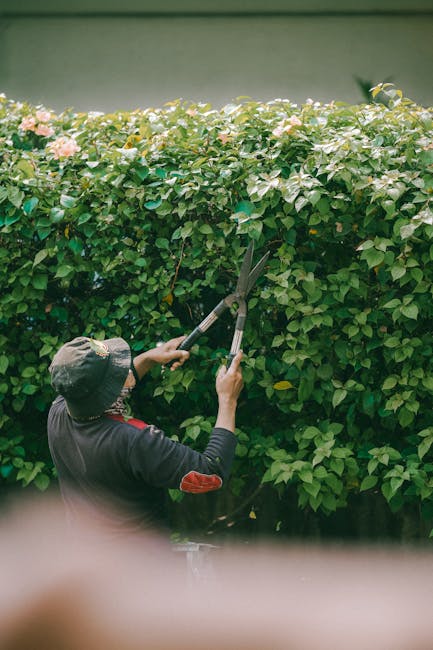
DIY Trimming Versus Professional Gardeners: Which Option Suits You?
Choosing between DIY trimming and hiring professional gardeners sounds simple at first. Then you stand in the garden with a pair of blunt shears, look at that overgrown hedge, and realise there's a bit more to it. Do you save money and do it yourself, or pay for experience, speed, and a tidier finish? The honest answer is that it depends on the job, your time, your confidence, and how much you value the result.
This guide breaks down DIY trimming versus professional gardeners which option suits you in plain English. You'll see where DIY makes perfect sense, when a professional is the safer and smarter choice, and how to judge the real costs beyond the invoice. If you want practical advice rather than vague gardening advice, you're in the right place.
- Why the choice matters
- How each option works in practice
- Benefits and practical advantages
- Who each option suits best
- Step-by-step guidance
- Expert tips for better results
- Common mistakes to avoid
- Tools, resources and recommendations
- Law, compliance and best practice
- Comparison table
- Real-world example
- Practical checklist
- Conclusion
- Frequently asked questions
Why DIY Trimming Versus Professional Gardeners Which Option Suits You Matters
Trimming is one of those garden jobs that looks quicker than it is. A small shrub can be sorted in half an hour. A hedge, a boundary line, or a badly neglected front garden can swallow your Saturday, your mood, and a few bags of cuttings before you've even had a proper brew.
It matters because trimming is not just about appearance. It affects plant health, privacy, safety, and sometimes even access. A hedge cut too hard can look patchy for months. A tree limb trimmed carelessly can become a hazard. And a garden left too long can become so unruly that what started as "just a bit of tidy-up" turns into full garden clearance.
The real decision is not simply "cheap versus expensive". It is about matching the job to the outcome you want. If you enjoy hands-on work and the garden is small, DIY may be perfect. If the work is tall, heavy, awkward, or time-sensitive, a professional gardener often saves trouble rather than just time.
That's the heart of it. Not every garden task deserves a professional. But not every task is a good DIY project either. The difference is where people save money and where they accidentally create extra work. Truth be told, that second category is more common than most admit.
How DIY Trimming Versus Professional Gardeners Which Option Suits You Works
DIY trimming usually means you plan the job, get the tools together, decide how much to cut, and handle the waste yourself. It sounds straightforward because often it is. Light pruning, shaping smaller shrubs, and tidying soft growth are all tasks many homeowners can manage well with patience.
Professional gardeners work differently. They bring experience, equipment, and an eye for plant structure. They can assess what should be cut, what should be left alone, and how to keep the garden balanced rather than just shorter. For bigger jobs, that judgement matters more than people think.
In practical terms, the process often looks like this:
- The garden is assessed for size, access, plant type, and risk.
- The cutting approach is chosen: shaping, reduction, thinning, or full maintenance trimming.
- The work is carried out with hand tools or powered tools depending on the growth and scale.
- Cuttings are gathered, separated where needed, and taken away or composted appropriately.
- The finished result is checked for balance, health, and clean edges.
DIY tends to be more flexible but less precise. Professionals tend to be more efficient and more consistent, especially on repetitive or demanding jobs such as hedge trimming or routine garden maintenance. You may notice the difference most in the final lines and finish. A neat hedge line at dusk, after the clippings have been cleared, just looks and feels different.
There is also a mindset difference. DIY often means you are working around your own schedule. Professional work means the timing is planned around the weather, the growth cycle, access, and the size of the task. That sounds small, but it changes the whole experience.
Key Benefits and Practical Advantages
Both options have genuine benefits. The best choice depends on what you value most.
Benefits of DIY trimming
- Lower direct cost: You avoid labour charges.
- Full control: You decide exactly what gets cut.
- Flexible timing: You can work in small sessions when you have time.
- Personal satisfaction: Some people genuinely enjoy the rhythm of gardening.
- Better understanding of your plants: You learn what grows where and how fast.
Benefits of hiring professional gardeners
- Cleaner finish: Professionals are usually faster and more even.
- Less physical strain: Helpful if the garden is large or awkward.
- Reduced risk: Especially for high hedges, heavy branches, or slippery ground.
- Advice on plant health: Good gardeners know what should be cut and what should be left.
- Waste handling: Cuttings can be collected and managed without you loading the car five times.
One overlooked advantage of a professional is judgement. That matters in gardens more than people realise. A skilled gardener can spot a hedge that needs selective thinning rather than a blunt trim, or a tree that may need specialist attention via tree lopping and removal rather than a rushed cut with a ladder and optimism.
For many homeowners, the biggest benefit is peace of mind. You are not wondering whether you've gone too far. You are not spending Sunday afternoon staring at an uneven top line. You're just done. That sounds simple, but it's worth a lot.
Who This Is For and When It Makes Sense
DIY trimming suits you best if the job is small, safe, and forgiving. Think low shrubs, light annual tidying, and jobs where a slightly imperfect finish will not matter much. If you have the tools already and you enjoy being outside, DIY can be a good fit. Some people even find it oddly calming. A bit of late morning trimming, birds in the background, hedges rustling - not bad at all.
Professional gardeners suit you better if the work is larger, more technical, or time-sensitive. That includes overgrown hedges, difficult access, boundary screening, older gardens with mixed planting, and any job where the wrong cut could affect future growth. It also makes sense if you need a broader tidy-up, such as combining trimming with lawn mowing or a bigger seasonal reset.
Here's a simple way to think about it:
- Choose DIY if the job is low-risk, the result does not need to be perfect, and you have the time.
- Choose a professional if height, size, waste, or plant health make the job more complicated than it first appears.
If you're still unsure, ask yourself two questions. Can I do this safely without rushing? And will I be happy with the result if it takes twice as long as planned? Those two questions cut through a lot of confusion, honestly.
Step-by-Step Guidance
If you want to choose well, do not start with the tools. Start with the garden itself. A good decision comes from understanding the job.
1. Look at the size and shape of the work
Check how much needs cutting. A single shrub is one thing. A long hedge, a row of mixed bushes, or a mature tree canopy is another. Bigger jobs become less about enthusiasm and more about time, access, and waste handling.
2. Identify the plant type
Some plants respond well to hard pruning. Others do not. If you're unsure what you're looking at, that's a clue. Professionals have an advantage here because they can judge whether a plant wants a tidy trim or a gentler, selective cut.
3. Assess access and safety
If you need a ladder, are working near fencing, water features, uneven ground, or overhead lines, the job becomes more serious. A quick trim can stop being quick very quickly. That's where a professional can be a sensible call, not a luxury.
4. Decide on the finish you want
Do you want a neat but slightly informal look, or a crisp, uniform line? If you want straight edges and symmetry, a professional is usually better. DIY often looks fine from a distance, but the details can be a bit lopsided. Nothing dramatic. Just noticeable.
5. Choose the right approach
For DIY, use sharp tools, trim gradually, and step back often to check the shape. For professional work, ask what will be cut, how waste will be handled, and whether the job is maintenance trimming or more restorative work. If the garden has other needs, it may be worth discussing a wider plan that includes landscape gardening or broader landscaping.
6. Review the result the same day
Once the cutting is done, check the shape in daylight. Look for missed patches, damaged stems, and clippings left behind. If you hired someone, this is the moment to raise any concerns while everything is fresh. If you did it yourself, it's the moment you learn for next time. And you will learn, probably.
Expert Tips for Better Results
A few small habits make a big difference, whether you're doing the work yourself or hiring it out.
- Trim little and often: Regular maintenance usually gives a better result than one aggressive cut every few months.
- Step back constantly: What looks even up close can look wrong from the patio or the pavement.
- Keep tools sharp and clean: Blunt blades tear growth rather than cutting it cleanly.
- Work in dry conditions where possible: Wet foliage is harder to manage and can make surfaces slippery.
- Think about the end shape before you begin: People often start cutting and then decide on the shape halfway through. That's where odd angles happen.
If you are hiring a gardener, ask how they approach trimming as part of routine garden care. A good provider should be able to explain the difference between a quick tidy-up and a more considered maintenance visit. If your garden tends to build up fast, a regular plan can be easier than the occasional rescue mission.
In our experience, the calmer the preparation, the better the result. Rushing is what causes most trim jobs to look slightly off. Just slightly. But still.
Common Mistakes to Avoid
This is where many people run into trouble. Not because they lack effort, but because trimming seems easier than it is.
- Cutting too much at once: Heavy trimming can shock plants and leave bare patches.
- Ignoring the plant's natural shape: A hedge can be made neat; a shrub can be ruined by over-shaping.
- Using the wrong tool: Kitchen scissors are not hedge tools, despite occasional household optimism.
- Working at height without proper stability: This is one of the biggest DIY risks.
- Leaving waste to pile up: Clippings become slippery, heavy, and annoying fast.
- Forgetting nearby boundaries and access: Neighbours, paths, and driveways can become part of the job.
A common mistake with professional jobs is not being clear about the brief. If you want a light trim rather than a hard cut, say so. If you want clippings removed, confirm it. If you are expecting the team to tackle a larger reset, mention that early, especially if the site has additional work such as garden clearance or heavy waste to move.
Small misunderstandings create awkward results. Most of them are avoidable with two minutes of clear communication.
Tools, Resources and Recommendations
If you are leaning towards DIY, your tools matter. A decent set makes the work cleaner, safer, and less frustrating.
- Hand secateurs: Good for small stems and precise cuts.
- Loppers: Useful for thicker branches that are too tough for hand shears.
- Hedge trimmers: Better for long hedge runs and repeated shaping.
- Gloves and eye protection: Basic, but very worthwhile.
- Sturdy footwear: Especially on damp lawns or uneven ground.
- Green waste bags or bins: Helpful for keeping the job tidy as you go.
If you are hiring, look for clear communication about what is included, how waste is handled, and what level of finish to expect. A transparent provider should also be able to explain pricing and quote structure in plain language. For example, whether the cost reflects time, access, height, waste volume, or the broader scope of the visit.
You may also want to ask how they approach sustainability and disposal. Some homeowners care a lot about this, and fairly so. If that matters to you, it is reasonable to ask how green waste is managed and whether the company has a clear recycling and sustainability approach.
If you're comparing options and want more clarity before committing, a page on pricing and quotes can help set expectations without the guesswork.
Law, Compliance, Standards, or Best Practice
For most routine trimming jobs, there is no complicated legal process sitting behind the scenes. Still, best practice matters. In the UK, homeowners and gardeners are generally expected to work safely, avoid causing damage, and dispose of waste responsibly.
If the work involves tall ladders, power tools, or awkward access, safety should come first. Professionals are expected to follow sensible risk controls, carry suitable insurance, and work with care around property and people. If you are hiring someone, it is reasonable to ask about insurance and safety and what measures they take on site.
For larger or more technical work, the line between trimming and tree work matters. A hedge cut is not the same as working on a mature tree, and tree-related jobs can carry more risk. That's one reason specialist services exist. It is also why a company's health and safety policy can be a useful sign that the work is taken seriously, not casually.
Homeowners do not need to memorise legal detail to make a good choice. But they should choose safe methods, use proper equipment, and avoid pushing a job beyond their comfort zone. That is the practical standard, really.
Options, Methods, or Comparison Table
Here is a straightforward comparison to help you judge which route suits your situation.
| Factor | DIY Trimming | Professional Gardeners |
|---|---|---|
| Cost | Lower immediate spend, but you supply the time and tools | Higher upfront cost, but labour and experience are included |
| Speed | Usually slower, especially for larger jobs | Usually faster and more efficient |
| Finish quality | Good for simple jobs, variable on bigger or neater work | Typically more even and polished |
| Safety | Fine for low-risk tasks, less ideal for height or heavy growth | Better for awkward, tall, or technically demanding work |
| Plant health | Depends on your knowledge and restraint | More likely to be handled with proper judgement |
| Waste removal | You handle it yourself | Often managed as part of the service or agreed in advance |
| Best for | Small, light, low-risk trimming jobs | Large, regular, complex, or time-sensitive garden work |
If your trimming needs are part of a broader outdoor upgrade, the choice can shift again. For example, if you're thinking about new boundaries, seating areas, or a more complete redesign, a service like landscape gardening may be more suitable than piecemeal DIY fixes.
Case Study or Real-World Example
Picture a typical suburban garden in the late spring. The front hedge has thickened up, the back border has gone soft and wild, and the lawn edges have blurred into the flowerbeds. The owner starts with DIY because the job looks manageable enough. A Saturday morning, a pair of shears, maybe a ladder for the top section. Simple, right?
After a while, the hedge proves tougher than expected. The top line is uneven, the clippings keep dropping into the driveway, and one side looks fine while the other side somehow looks slightly drunk. Not a disaster. Just not quite there. By the time the waste is bagged, the owner is tired and the last thing they want is to start again next weekend.
In that kind of scenario, a professional gardener makes sense. Not because the homeowner failed, but because the job had quietly moved beyond casual maintenance. A professional would likely finish faster, keep the line consistent, and clear the waste in one go. If the garden also needs routine upkeep afterwards, it could be folded into ongoing garden maintenance rather than repeated rescue work.
Expert summary: DIY is often best for small, forgiving trims. Professional gardeners are usually the better call when height, scale, safety, or finish quality start to matter. The right choice is the one that saves you time, stress, and avoidable mistakes.
Practical Checklist
Use this checklist before you decide.
- Is the job low-level and easy to reach without a ladder?
- Do you know what type of plant you are trimming?
- Are you confident about how much to cut?
- Do you already have the right tools in decent condition?
- Can you safely manage the waste afterwards?
- Is the finish you want simple, or does it need to look very neat?
- Would the job be better handled as part of a larger tidy-up?
- Are there any safety concerns, awkward angles, or access problems?
- Do you actually have the time to finish it without rushing?
- If hiring, have you asked what is included and how the work will be carried out?
If you tick several boxes in the "not sure" column, that is usually telling you something. No shame in that. Gardens have a way of being a bit more demanding than they look from the kitchen window.
Get a free quote today and see how much you can save.
Conclusion
DIY trimming versus professional gardeners which option suits you comes down to three things: the size of the job, the quality of finish you want, and how comfortable you are doing the work safely. DIY can be rewarding and cost-effective for smaller, simpler tasks. Professional gardeners are usually better when the job is bigger, riskier, or part of a broader garden refresh.
The smartest choice is not always the cheapest one, and it is not always the most convenient one either. It is the choice that leaves you with a better result and less hassle afterwards. Sometimes that means doing it yourself on a quiet Saturday morning. Sometimes it means handing the job over and enjoying a garden that looks properly cared for without the stress.
Either way, a well-kept garden has a way of making the whole home feel calmer. And that, in the end, is the bit people really notice.
Frequently Asked Questions
Is DIY trimming worth it for small gardens?
Yes, often it is. Small shrubs, low hedges, and light seasonal tidying are usually manageable if you have the right tools and a bit of patience. DIY works best when the job is simple and the risk is low.
When should I hire professional gardeners instead of doing it myself?
Hire professionals when the work is tall, heavy, time-consuming, or likely to affect plant health. If you need a clean, uniform finish or you are dealing with awkward access, professional help is often the better option.
Does professional trimming always cost more than DIY?
Usually yes in direct cash terms, but not always in overall value. DIY may cost less upfront, while a professional may save you time, tool purchases, waste disposal effort, and the cost of correcting mistakes.
What are the biggest risks of trimming a hedge yourself?
The biggest risks are overcutting, uneven shaping, working unsafely at height, and damaging the plant's structure. A hedge can look neat for years if done well, or patchy for a season if cut too hard.
Can professional gardeners handle more than just trimming?
Yes, many can. Trimming is often one part of a wider garden care visit that may include mowing, tidying borders, waste removal, or more involved work such as lawn mowing and broader garden upkeep.
How do I know if a job is too big for DIY?
If you need a ladder, if the hedge is long and dense, if you are unsure how much to cut, or if the waste will be awkward to manage, it is probably beyond a casual DIY job. That doesn't mean you can't do it. It just means you should think twice.
What should I ask a gardener before booking trimming work?
Ask what is included, how the cut will be approached, whether waste removal is part of the service, and whether the job is maintenance trimming or a larger reset. If you want a broader tidy-up, you can also ask about services such as hedge trimming or general garden care.
Is there a best time of year for trimming?
It depends on the plant and the type of cut. Some hedges and shrubs respond well to regular light trims, while others need more careful timing. If you're unsure, it's safer to trim lightly and avoid major cuts at the wrong time.
What if my garden is badly overgrown?
If the garden has been left for a while, start by judging whether it needs a trim or a clear-out. In many cases, an overgrown space is better dealt with as garden clearance before routine trimming can make sense again.
Do professional gardeners deal with waste removal?
Many do, but it should always be confirmed in advance. Some jobs include collection and disposal, while others may leave the cuttings for you to manage. Clarity upfront saves awkward surprises later.
What if I want a smarter garden overall, not just trimmed plants?
Then trimming may be only one piece of the puzzle. A more complete improvement could involve landscaping, structural changes, or even features like decking services if you are rethinking how you use the space.
How can I get a clearer idea of pricing?
The best approach is to request a written quote with the scope explained clearly. That helps you compare options fairly and understand whether the work is a simple trim, a maintenance visit, or a larger project. A good starting point is the company's pricing and quotes information.