Seasonal Favorites: Plants That Flourish in Window Boxes All Year
Window boxes are a timeless way to bring color, charm, and vibrancy to your home. These small containers offer endless possibilities for transforming a windowsill into a year-round visual delight. However, the secret to a stunning window box display in every season is in choosing the right seasonal favorites, or plants that flourish in window boxes all year. This comprehensive guide will walk you through the top picks for each season, creative planting tips, and everything you need to maintain healthy, beautiful window boxes twelve months a year.
Why Choose Year-Round Window Box Plants?
Many gardeners install window boxes for instant curb appeal, but worry they'll only look lush during a few short months. The key to continuous beauty is seasonal planning. Selecting plants that thrive in window boxes throughout the year means you can enjoy color, fragrance, and texture every single month. Not only does this enhance your home's exterior, but it also:
- Reduces maintenance from constant replanting
- Maximizes value from your investment in soil and boxes
- Ensures year-round biodiversity for pollinators and beneficial insects
- Improves your view from indoors no matter the season
By factoring in bloom times, foliage, and winter interest, you can easily create a living masterpiece that glows from January to December. Below, discover how to select and combine all-season window box plants like a pro.
Window Box Basics: Planning for Four-Season Impact
1. Consider Your Window's Conditions
Window boxes may seem similar, but each spot experiences a unique blend of light, wind, and exposure. Before choosing your best plants for year-round window boxes, make note of the following:
- Sun exposure: Full sun (6+ hours), partial sun (4-6), or shade (less than 4)?
- Protection: Is the window sheltered or exposed to harsh winds and temperature swings?
- Accessibility: How easily can you water and tend your boxes year-round?
2. Choose the Right Box and Soil
- Material: Plastic, resin, or fiberglass window boxes are lightweight and insulate roots better in winter than thin metal or wood.
- Drainage: Ensure your window box has adequate drainage holes to prevent soggy roots, especially as rain falls in winter.
- Soil: Use a premium-quality potting mix with organic matter. Avoid garden soil, which compacts and drains poorly in containers.
3. Design with Layers and Seasons in Mind
For year-round beauty, plan your boxes with a mix of:
- Evergreens for structure and winter interest
- Perennials with staggered bloom times
- Annuals for bursts of color spring through fall
- Trailing or cascading plants for softer edges
- Seasonal accents such as bulbs or ornamental branches
This mix ensures that something of interest is always at the forefront in your window box, no matter the weather.
Best Plants for Window Boxes: Seasonal Favorites for All Year
Evergreen Foundations: The Backbone of Every Season
If you want window boxes that delight all year long, evergreens are must-haves. These reliable plants remain lush and green through cold snaps, scorching sun, and everything in between. Use them as structural centers or anchors and surround them with seasonal bursts of color.
- Dwarf Boxwood (Buxus): This classic, compact shrub withstands winter and can be clipped into tidy spheres or left natural.
- Euonymus 'Emerald Gaiety': Attractive white-edged foliage and great cold hardiness for year-round appeal.
- Heuchera (Coral Bells): Many varieties have semi-evergreen, ruffled leaves in shades from silver to plum. They provide beautiful foliage in every season.
- Ivy (Hedera helix): Variegated or solid green, ivy cascades artfully and persists even amid snow or drought.
- Small conifers: Dwarf Alberta spruce, mugo pine, and junipers deliver vertical drama and easy care.
Winter-Interest Plants for Window Boxes
Brighten bare winter months with tough, cold-loving choices that deliver unexpected cheer:
- Wintergreen (Gaultheria procumbens): Glossy leaves and red berries last into spring.
- Hellebores: Also called Lenten roses, these perennials bloom in late winter through spring with rose-like flowers in soft pastels or deep burgundies.
- Viola and Pansies: These cheerful annuals initiate bloom in very early spring or overwinter in mild climates, offering continual color.
- Cyclamen: Hardy cyclamen species provide elegant, upswept flowers above marbled foliage from fall through late winter.
- Festuca (Blue Fescue): Its icy blue tufts stay vibrant when most plants fade.
Springtime Stars in Window Boxes
Welcome the season of renewal with bright, joyful combinations:
- Tulips and Daffodils: Bulbs can be layered below annuals for dramatic spring color; choose short-stemmed varieties for window boxes.
- Primrose (Primula): Dainty, long-flowering plants in a rainbow range; loves cool weather.
- Muscari (Grape Hyacinth): Beautiful blue spikes emerge even before most perennials awaken.
- Forget-me-nots: Airy sprays of blue, pink, or white enhance spring displays.
- Arabis (Rock cress): Tumbles over the edge with white or lavender blooms.
Summer Sensations for Your Window Boxes
When summer sun reigns, window boxes are prime real estate for dazzling blooms and lush foliage. Try these winners:
- Geranium (Pelargonium): Vibrant, classic flowers and neat foliage, perfect for sunny window boxes.
- Petunia: Long-blooming, spreading annuals in an endless color palette.
- Bacopa: Tiny white or lavender flowers trail gracefully throughout hot months.
- Calibrachoa (Million Bells): Mini petunia relatives that bloom profusely and handle heat well.
- Sweet potato vine (Ipomoea batatas): Brilliant chartreuse or burgundy leaves create lush cascades.
- Lobelia: Trailing blue or white flowers provide a cool, refreshing look in the heat.
Autumn Accents and Transitional Plants
As the air grows crisp, switch out tired summer annuals for fall's rich hues and textures. These plants keep window boxes vibrant into frost:
- Mums (Chrysanthemum): A fall favorite with a range of colors and shapes for every window.
- Asters: Late-bloomers with daisy-like flowers in purple, pink, or white.
- Ornamental Kale and Cabbages: Velvety rosettes add dramatic foliage and tolerate cold.
- Heather (Calluna): Tiny pink or purple flowers enliven fall and winter planters.
- Sedum: Succulent foliage and rosy-pink flower heads persist long after frost.
Designing Window Boxes for Year-Round Beauty
Thrillers, Fillers, and Spillers: A Designer's Secret
Professional gardeners build dazzling boxes with the time-tested "thriller, filler, spiller" formula. Here's how to apply it to window box favorites for all seasons:
- Thrillers: Upright, attention-grabbing plants (ornamental grass, conifer, blooming perennial).
- Fillers: Bushier plants that fill gaps and add texture (heuchera, primrose, pansy).
- Spillers: Cascading/trailing plants that soften edges (ivy, sweet potato vine, creeping jenny).
By mixing these types--with an eye for seasonal change--you'll create window boxes that stay full and exciting throughout the year.
Creative Mixing: Color and Texture Tips
- Bounce off background color: Contrast plant selections with the color of your home or window trim.
- Use foliage as a main attraction: Pair silver, variegated, burgundy, or golden leaves for four-season appeal.
- Switch accents with the season: Add pinecones, gourds, or berries for the holidays; swap in tulip bulbs for spring.
Caring for All-Season Window Box Plants
Watering and Feeding Tips
Consistent care is vital for lush, healthy window boxes all year. Water thoroughly when the top inch of soil feels dry. In summer, boxes may require daily watering, while in winter you may water as little as once every two weeks. Supplement with a balanced liquid fertilizer every month--or switch to a low-nitrogen formula as cold approaches. Remember to decrease fertilizer in dormancy or colder seasons.
Pruning, Deadheading, and Seasonal Cleanup
- Trim lightly: Remove spent flowers and dead leaves often to encourage fresh growth.
- Shear back trailing plants: This keeps them in bounds and bushy.
- Cut back perennials in late fall: Leave ornamental grasses and some seed heads for winter texture and wildlife food.
Seasonal Swaps and Refreshing Your Box
- Spring/Fall: Add bulbs (crocus, tulip, daffodil) under existing perennials and evergreens for surprise color.
- Summer: Replace cold-season annuals (pansies, primrose) with heat-lovers (petunia, calibrachoa).
- Autumn: Swap tired annuals for mums, ornamental kale/cabbage, or small pumpkins for a festive display.
A Month-By-Month Guide to Window Box Planting
- January - February: Focus on structure with evergreens and add hellebores or snowdrops for winter cheer.
- March - April: Layer in bulbs as soil warms; intermingle primroses and pansies for early color.
- May - June: Add summer annuals as danger of frost passes; keep evergreens for support.
- July - August: Pinch and deadhead to keep flowers fresh; water regularly through hot spells.
- September - October: Introduce fall bloomers and foliage plants; accessorize with gourds or ornamental berries.
- November - December: Tidy up, mulch roots, and use wintergreens or cut branches (holly, pine, dogwood twigs) for festive appeal.
Popular Plant Combinations for All-Year Window Box Displays
- Four-Season Evergreen Box:
- Dwarf boxwood or euonymus (center/backs)
- Heuchera and variegated ivy (fillers/spillers)
- Switch in pansies spring and fall, add mini daffodil bulbs underneath
- Classic Cottage Mix:
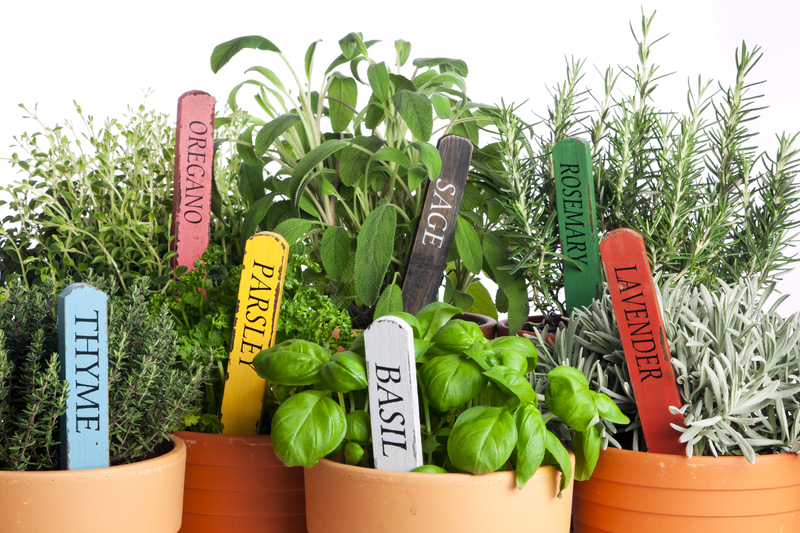
- Lavender (center)
- Geraniums and bacopa (fillers)
- Trailing lobelia/creeping jenny
- Switch in crocus or tulip bulbs each autumn for spring surprise
- Modern Minimalist:
- Two dwarf conifers or blue fescue (center)
- White cyclamen and silvery helichrysum (fillers)
- Cascading licorice plant (Helichrysum petiolare)
- Add red twig dogwood stems in winter for a dramatic accent
Frequently Asked Questions About Year-Round Window Box Gardening
Can you really keep window boxes looking good in winter?
Absolutely! By using a base of evergreens and cold-hardy plants, your window boxes will be attractive even when snow flies. In harsh climates, try adding cut branches of holly, pine, or ornamental grasses for extra seasonal flair.
What's the best way to prevent plants from freezing?
Choose frost-resistant containers, insulate boxes with burlap or bubble wrap, and select cold-hardy plants. Ensure soil drains freely, as frozen, wet soil is more damaging than dry cold. For precious or borderline-tender plants, bring window boxes into a sheltered spot or sunny garage on especially frigid nights.
How do you water window boxes in winter?
Plants need much less water while dormant, but don't let roots completely dry out. Water on thawed days when the top inch of soil is dry. Avoid watering when the soil is frozen, which can damage both plants and containers.
Can you swap plants out during the year?
Definitely! While a permanent backbone of evergreens and tough perennials forms a reliable foundation, you can change out seasonal accents as simply as pulling out annuals or tucking in bulbs. This is the best way to keep your window boxes fresh and full of interest year-round.
Conclusion: Transform Your Home with Year-Round Window Box Favorites
Window boxes are a dynamic, ever-changing canvas for creative gardeners. By wisely combining seasonal favorites that flourish in window boxes all year, you can elevate your home's appearance, delight pollinators, and bring a smile to your face every time you look out the window. Whether your goal is bold color, subtle texture, or evergreen elegance, the right combination of plants, care, and a little seasonal refreshing will ensure stunning year-round window box displays that never go out of style. Get inspired, experiment with plant mixes, and watch as your living window art evolves with the seasons!